Best Time to Visit Boomerang Beach and Pacific Palms: A Season-by-Season Guide
Quick answer: For beach holidays, the best time to visit Boomerang Beach in Pacific Palms is late summer to autumn (February to April). The sea is still warm, at around 23°C, and the crowds thin out after January. Summer is busiest and liveliest. Winter (June to August) brings mild days of about 18°C, quiet beaches and humpback whales. Spring brings wildflowers and whales heading south with their calves.
Boomerang Beach weather at a glance
- Summer (December to February): warm days with typical highs of about 26–28°C and sea temperatures around 23°C.
- Autumn (March to May): mild, settled days and some of the warmest water of the year. The sea averages almost 24°C in March.
- Winter (June to August): highs around 18°C, cool nights and sea temperatures around 19°C.
- Spring (September to November): warming days and sea temperatures around 20–21°C by November.
Figures are typical averages for nearby Forster. Always check the Bureau of Meteorology forecast before you travel.
Summer: beaches, buzz and busy villages
From Christmas to late January, Pacific Palms is at its liveliest. The population grows from under 1,000 to more than 5,000, beaches are patrolled, and cafes and clubs are full.
- Best for: swimming between the flags, surfing, lake paddling and long evenings.
- Plan ahead: book accommodation many months in advance, and arrive early at beach car parks.
- Events: look out for seafood festivals and fun runs (see our events guide).
Autumn: the locals’ favourite
After the summer holidays, the water stays warm, the beaches empty out and the weather is often settled. It’s ideal for couples and anyone who wants the beach without the crowds.
- Best for: swimming, snorkelling, surfing, coastal walks and Easter breaks.
- Whales: humpbacks start heading north from late April.
Winter: whales and quiet beaches
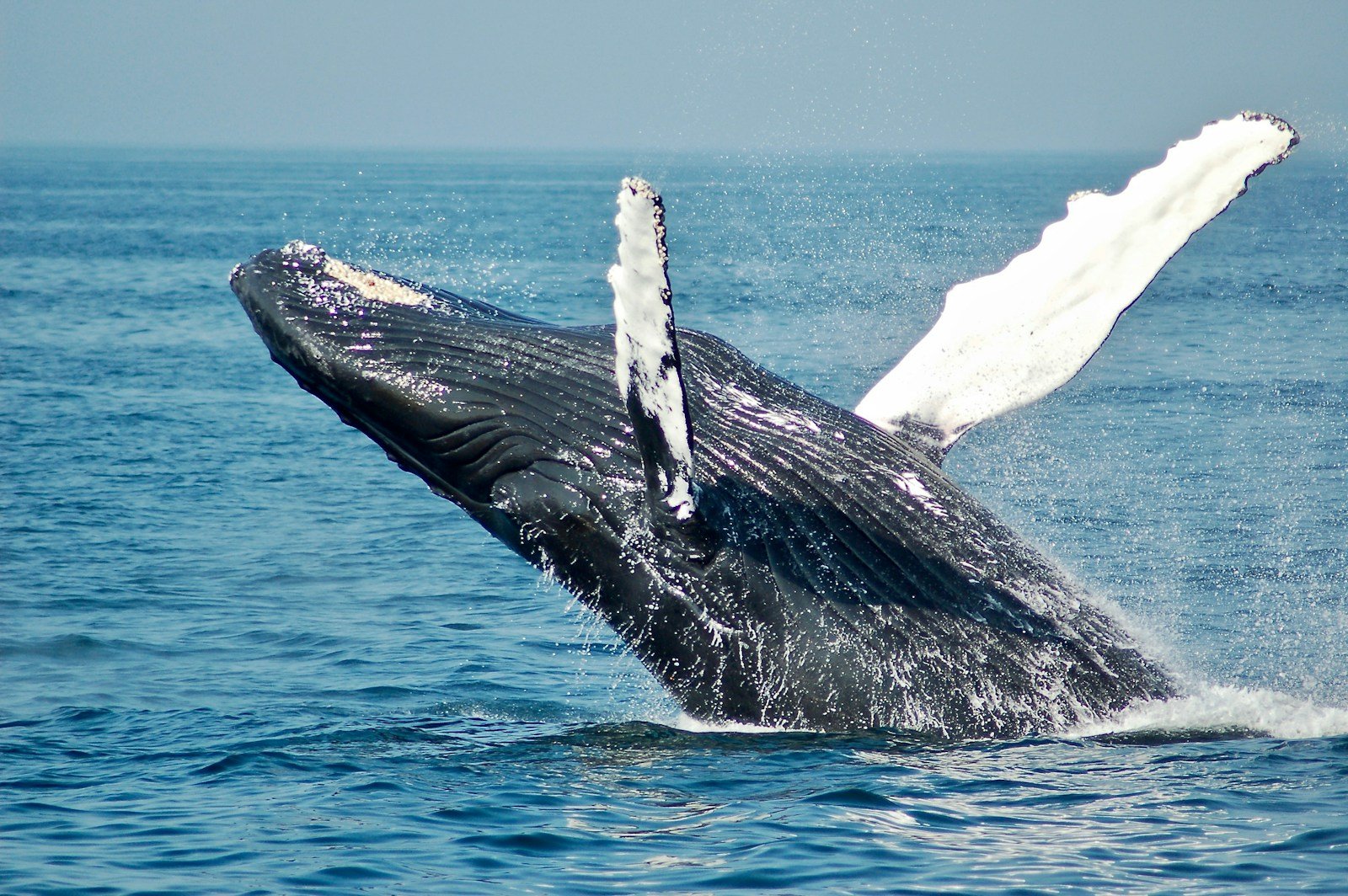
Winter on the Mid North Coast is mild, with sunny, crisp days and cool nights. It’s peak season for humpbacks heading north to calve, through to July.
- Best for: whale watching from Cape Hawke lookout, Boomerang Point and Sugarloaf Point Lighthouse, bushwalks, oysters and cosy getaways.
- Bonus: great availability and some of the clearest sunsets of the year over Wallis Lake.
Spring: wildflowers and whale calves
From August to early November, whales return south, often with calves, and the later in the season you visit, the better your chance of seeing them. Heathland wildflowers bloom across Booti Booti National Park, and the NSW beach patrol season usually starts in late September.
- Best for: walks, whale watching, school-holiday breaks and the October long weekend.
- Events: Forster-Tuncurry’s spring festivals, such as the Wharf Street Spring Festival and the Lakeside Festival.
Month-by-month highlights
- January: peak summer holidays, warm water and patrolled beaches.
- February to April: warm sea, fewer crowds and Easter.
- May to July: northbound whales and quiet villages.
- August to November: southbound whales with calves, wildflowers and spring festivals.
- December: the start of summer and the build-up to Christmas.
Where to stay in any season
True North Boomerang Beach is a renovated five-bedroom house at 158 Boomerang Drive, comfortable all year round. In summer there’s a private pool, and in winter you can watch whales from the decks and double hammocks with 180-degree sea views. The house also has lift access to all levels and a foosball table. Book your stay on Search and Stay or Stays by Me.
Frequently asked questions
When is whale season at Boomerang Beach?
From late April to early November. Whales head north until about July and return south from August.
How warm is the water at Boomerang Beach?
Around 23°C in summer and early autumn, dropping to about 19°C in winter.
When is Pacific Palms least crowded?
Outside the Christmas, January and school-holiday periods, especially from May to September.
Related guides: where to stay, outdoor activities and sunrise and sunset spots.