Myall Lakes National Park Guide From Boomerang Beach: Lakes, Beaches and Campgrounds
Quick answer: Myall Lakes National Park begins just south of Pacific Palms. Its lakes are part of the largest natural freshwater lake system on the NSW coast and are listed as Ramsar wetlands of international importance. From Boomerang Beach, it’s 15–45 minutes to its northern lakes, Seal Rocks and long surf beaches. The park is great for kayaking, houseboating, fishing, the easy Mungo Brush rainforest walk and camping. Vehicle entry is $8 per day.
What makes Myall Lakes special
The park’s centrepiece is a chain of lakes (Myall Lake, Boolambayte Lake and the Bombah Broadwater) linked by narrow channels and the Myall River. Together there are more than 100 km of waterways to explore. Along the coast, the park has more than 40 km of beaches, headlands and dunes, plus offshore Broughton Island. Rainforest pockets, paperbark swamps and heathland make it a haven for birds and wildlife.
Getting there from Boomerang Beach
- Northern lakes and Bungwahl: about 15–20 minutes south on The Lakes Way. Myall Lake views open up beyond Smiths Lake.
- Seal Rocks precinct: about 30 minutes, via Seal Rocks Road from Bungwahl.
- Bulahdelah: about 40 minutes. The western gateway to the park and a base for houseboat hire.
- Mungo Brush and the southern precinct: 45 minutes or more, depending on route. The Bombah Point ferry has been closed after flooding, so check NSW National Parks alerts before planning a route through the park.
Things to do
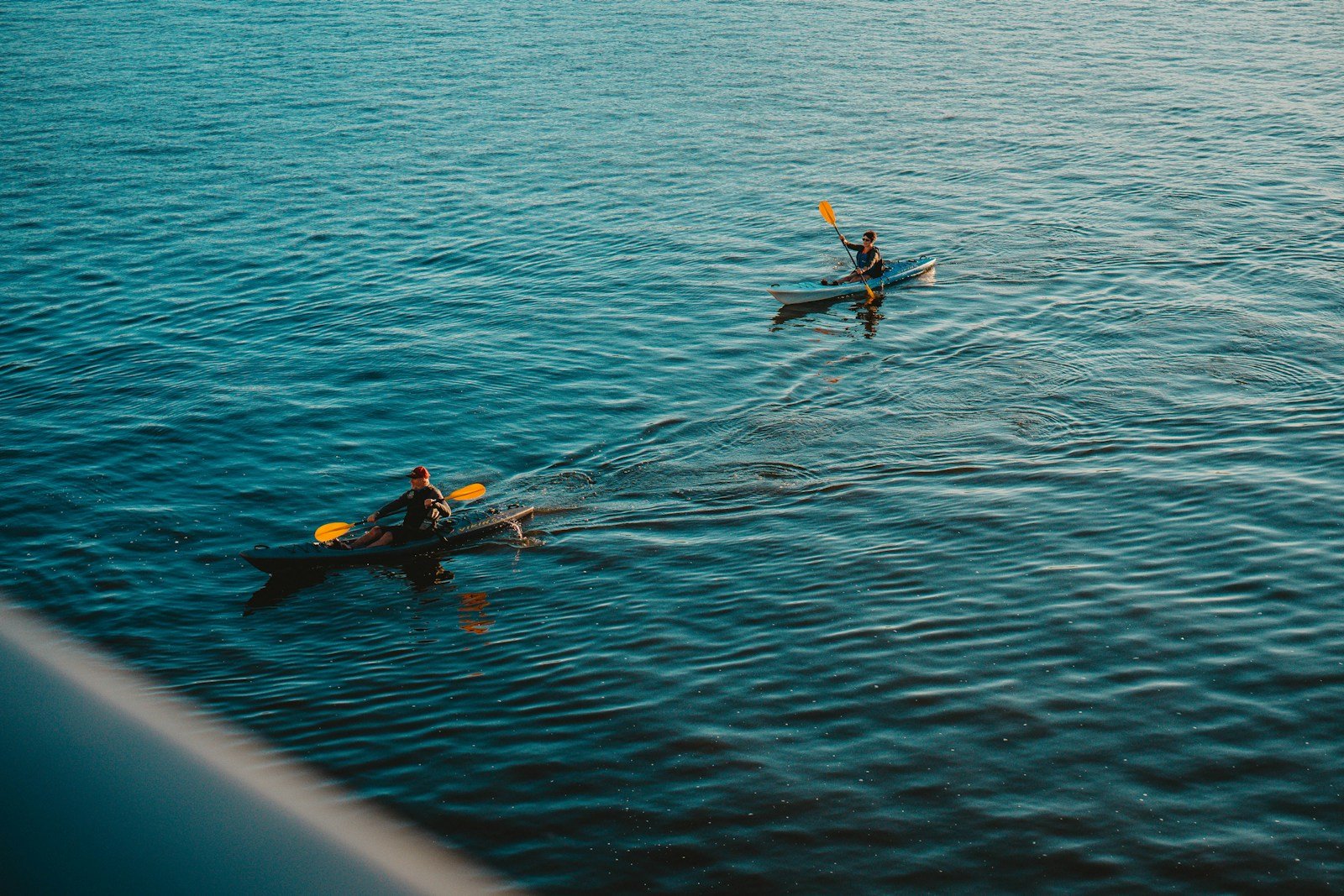
- Kayaking and canoeing: calm, shallow lake water and quiet channels are ideal for paddlers of all levels.
- Houseboating: hire a houseboat from Bulahdelah and explore the lakes at your own pace.
- Swimming and picnics: lakeside picnic areas at spots such as Neranie and Violet Hill.
- Mungo Brush rainforest walk: an easy 2 km loop (about 30 minutes) through coastal rainforest, starting from Mungo Brush campground.
- The Mungo Track: a 21 km one-way track along the lake, river and beaches. You can walk shorter sections.
- Fishing and boating: boat ramps at Bungwahl, Violet Hill, Mungo Brush and Bombah Point. Check NSW fishing rules.
- Surf beaches and whale watching: wild beaches near Seal Rocks, and whales from late April to early November.
Camping
The park has many campgrounds, from beachside Yagon near Seal Rocks to lakeside spots at Neranie, Violet Hill, Korsmans Landing and Bungarie Bay. Some sites are accessible only by boat or on foot. Book through NSW National Parks. See our camping guide.
Near Bulahdelah
Bulahdelah, on the park’s western edge, is home to the Grandis, often described as the tallest tree in NSW. It’s also the start of the Great Lakes Food Trail, which runs through to Blueys Beach in Pacific Palms.
Practical tips
- Fees: $8 per vehicle per day. Buy via the Park’nPay app or use an annual pass.
- Opening: the park is open all year but may close in extreme weather or fire danger. Check alerts before you go.
- Roads: some roads are unsealed. Most are fine for 2WD in dry weather.
- Supplies: bring water, sun protection and insect repellent.
- Swimming: ocean beaches in the park are generally unpatrolled.
Where to stay
True North Boomerang Beach is a renovated five-bedroom house at 158 Boomerang Drive, a short drive from the northern edge of Myall Lakes National Park. Come back from the lakes to 180-degree sea views, a private pool, double hammocks, lift access to all levels and a foosball table. Book your stay on Search and Stay or Stays by Me.
Frequently asked questions
How far is Myall Lakes from Boomerang Beach?
The northern edge of the park is about 15–20 minutes south. Seal Rocks is about 30 minutes, and Bulahdelah about 40 minutes.
Are the Myall Lakes freshwater?
The Myall Lakes are part of the largest natural freshwater lake system on the NSW coast.
Do you need a pass for Myall Lakes National Park?
Yes. Vehicle entry is $8 per day, or use an annual NSW National Parks pass.
Related guides: Seal Rocks and Sugarloaf Point Lighthouse, Smiths Lake guide and day trips.